
Coughing Went Away … Shoulders and Hips Still Paying the Price?
Tis the Season for Coughs, Colds, Flu, and Pneumonia
I write about movement … so how the heck do respiratory illnesses tie into movement issues?
Bottom line: after you’ve been sick, your body will always find a way to keep you breathing. (It’s kind of essential!) But you may not realize the physical and structural impacts that linger — sometimes for years. I guarantee they’re there, and they affect how well you can move.
There’s a lot to dig into, so here’s the roadmap for this month’s series:
This week: Which pains and movements relate to a respiratory illness? And why does being sick lead to these movement glitches?
Week Two: How respiratory illness impacts young children and early development
Week Three: The science and physics behind what’s really happening (don’t worry — concepts only, no equations!), what you can do, and how Bridging helps
Week Four: A quick wrap-up and takeaways
Let me know if you find this in-depth style of sharing insights helpful!
Let’s start with a story …
Karen and Pneumonia: Impacts to Posture, Energy, and Voice
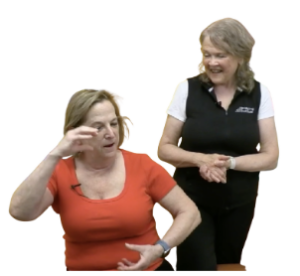 Karen (my neighbor) was side-lined with pneumonia and recovered with the help of some antibiotics. The coughing was terrible but eventually faded.
She’s a regular tennis player — yet weeks later, she barely had the energy to walk up a flight of stairs. I offered to help her get back into action, and she generously allowed the session to be filmed.
In the case study video, you’ll see and hear how pneumonia affected her posture, breathing movement, and even her voice. It’s remarkable how quickly Bridging support to her breathing mechanics allowed everything to shift — within minutes!
Almost a year later, she’s still avidly playing tennis.
Why Do Respiratory Illnesses Affect Movement?
Sure, we rationalize that after being sick we need time to rebuild stamina. Yes … but there’s more to it.
You don’t realize how much your body has been affected until it’s restored back to normal. You lose your frame of reference from being so out of it.
In reality, several structural and muscular changes explain why mobility, posture, and energy are so disrupted.
In the following two sections, I outline the two fundamental reasons why your body can be so disrupted, and the top five ways a respiratory illness will cause lingering structural effects. These impact how easy it is for you to move.
The Top 2 Reasons Respiratory Illness Causes Structural Problems
 1. Chest Muscle Rigidity
Your intercostal muscles (between the ribs) get aggravated by deep, repetitive coughing. Overworked muscles eventually shut down—they stop expanding fully. This makes the chest rigid and limits breathing volume. This does not bounce back easily.
2. Limited Diaphragm Movement
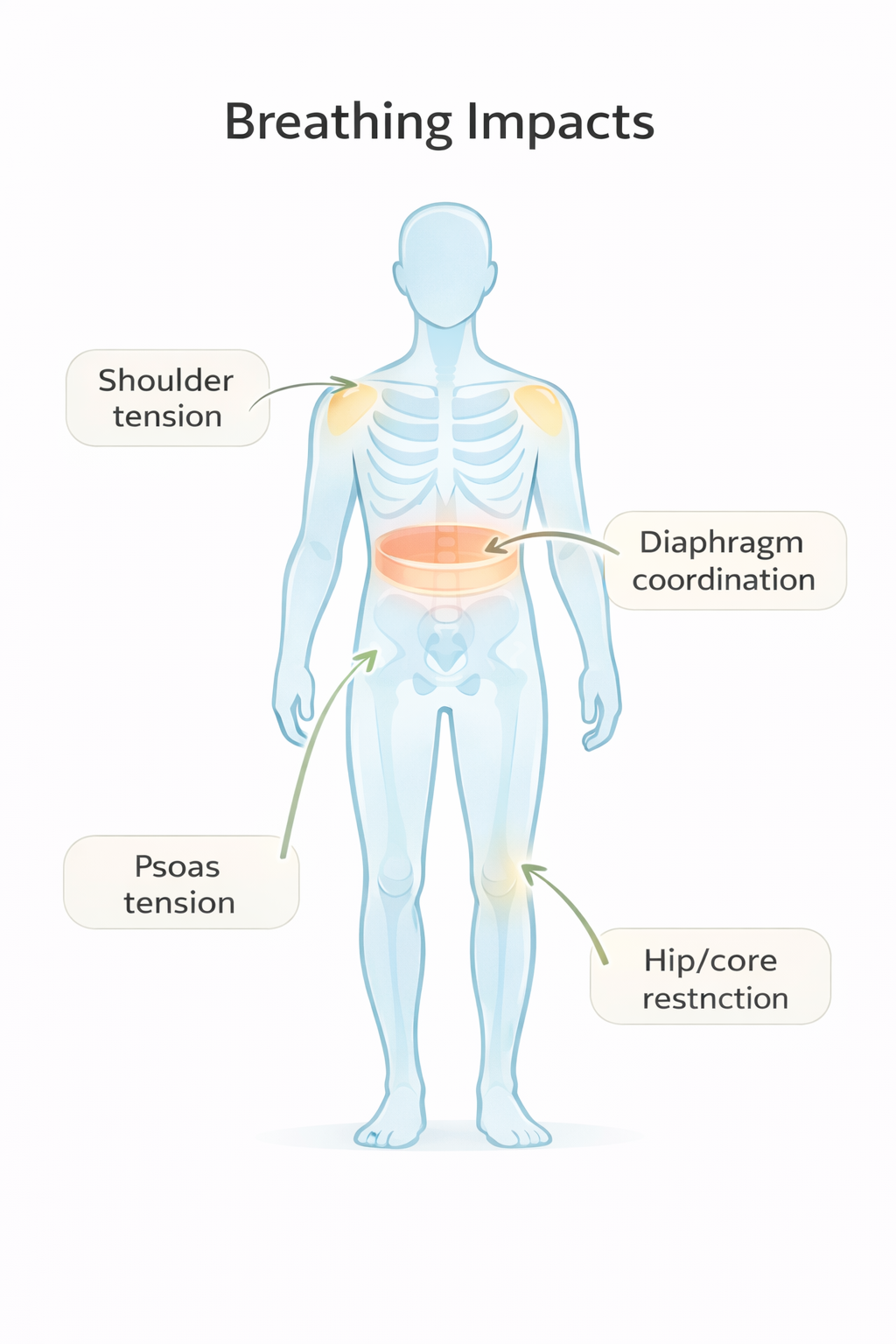
The diaphragm becomes tight and disregulated after illness. When the diaphragm tightens, it sends ripple effects downward and upward—most notably to your:
- hips
- low back
- shoulders
The Top 5 Ways You Feel These Changes in Everyday Life
1. Tight Psoas → Reduced Hip Mobility
The diaphragm and psoas muscles attach in the same zone of the lumbar spine. I find they ALWAYS impact each other. A tight diaphragm from respiratory distress cascades to cause a tight psoas.
This limits the ability of the hip to open and to extend. Your step length will shorten, and your hips won’t be able to sit comfortably for long.
2. Tight Shoulders
The pectoral, scapular, and rotator cuff muscles anchor onto the rib cage. When the rib muscles and/or diaphragm tightens it restricts ribcage movement. The shoulder muscles’ movement becomes restricted limiting your reach upward or behind.
3. Rounded Forward Posture
Feeling “pulled forward and down” after being sick? This is because of the tightened ribcage and diaphragm muscles. Strengthening alone won’t fix it — your breathing mechanics need to change first.
4. Weak or Quiet Voice
Your voice relies on diaphragm support. When the diaphragm is off, vocal projection drops. Singers know to sing from the diaphragm. Voice support only changes once the diaphragm function is restored.
5. Fatigue
Energy is tightly linked to oxygen intake. When chest expansion is restricted, the oxygen goes to your brain first, leaving less for your muscles. Hence: lingering fatigue, even after you think you’ve recovered.
(6. Child Development Impacts)
For young kids, respiratory illness can disrupt early movement and regulation.
This gets its own in-depth discussion next week.