
Say Goodbye to Neck and Jaw Pain After Dental Work ☺️
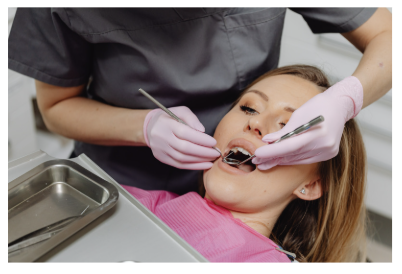
Most of us know the feeling: sitting in a dental chair with your mouth open for what feels like forever while the dentist works, adjusts your head position, and then asks you to open even wider.
Afterward, your jaw, neck, and head can feel tense, uneven, or simply “off.”
Why? That’s what we’ll get into next, as well as sharing Daniel’s experience, and how the Bridging® Technique helped.
Why the Body Gets Stuck After Dental Procedures
Dental procedures place the body in a sustained, unfamiliar position.
Your mouth is held open, your head is often turned, and your nervous system may already be on alert because of discomfort, anticipation, or stress. By adding the pushing or tugging of your teeth and jaw, it rounds out the recipe for discomfort.
In this distressed state, your muscles can hold onto the altered pattern even after the dental work is complete. You may not realize this right away since your mouth is numb and the recovery for these procedures is often accompanied by pain or swelling.
Once your mouth starts to heal you may suspect your neck is tight because you ‘slept wrong.’ But this tightness or pain doesn’t clear after a few days, and your usual ways of dealing with it don’t help much.
In reality, it’s the dental work stressors at play.
Why do neck muscle imbalances cause pain?
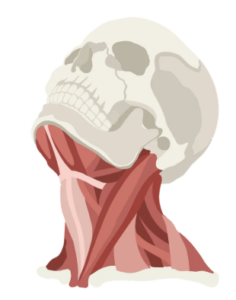
The muscle relationships get skewed during dental work so they no longer easily support your head in a front-facing position.
This skew creates stress after the procedure. There can also be increased swelling around the jaw and neck since the tight muscles crimp lymphatic drainage pathways.
With gentle support, the body can surprisingly begin to re-center quickly!
Looking at the Details: Neck Pain Following Dental Work
One of the more popular videos on the Bridging YouTube channel
Have a look to watch the specific Bridging steps taken to relieve the tension in Daniel’s neck and jaw after he had a couple of dental procedures.
The introduction gives you the context and detail of how dental work impacts muscle coordination. What’s so amazing is that the muscle reset took very little time before his neck muscles felt relaxed and recentered.
How wonderful if only you could have someone hold your head before you left the dental office.
Thoughts for You and Movement/Therapy Professionals
Recovery Gaps Identified for Daniel
🟦 Medical Intervention (dental work)
Suggestions for you
If your neck and/or jaw haven’t been the same since you’ve had more extensive dental work, there is a way to restore the balance of tension to the muscles.
Your trusted professional (massage or physical therapist) should be able to tune in once you provide them with the above information. If they are not yet trained in the Bridging Technique, forward this newsletter explanation and video link. It will give them a new lens to view your concerns through.
 Suggestions for therapy and movement professionals
If your client/patient has had intense dental work and still feeling ‘off’, here are a few questions to consider in formulating a treatment plan:
1. Do you stretch only in the direction of tightness? We find holding a slight stretch in the opposite direction from the tightness, the direction of ease, allows the muscles to reset their coordination. This reset allows uneven muscle tension to equalize.
2. Are you checking movement in the position of the procedure? Dental work happens in a semi-reclined position, which may have the head tipped back or turned to the side. With the number of small muscles stabilizing the head, this type of detail makes a difference for a faster and more complete muscle reset.
3. Are you checking the neck movement with the jaw open? The mandible position can significantly affect neck tension when you’re assessing and resetting.
Taking each of the above into account during your treatment time allows the various muscles to relax more quickly, and can guide you to a more complete resolution.