
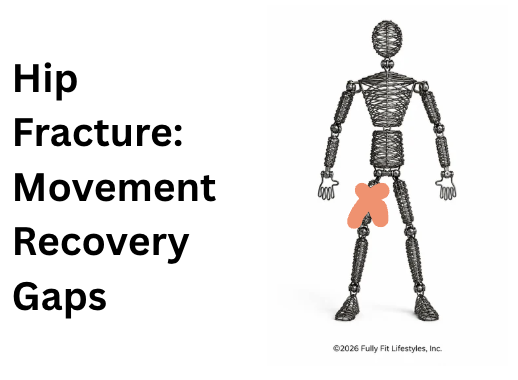
Fall and Break A Hip? Recovery Often Overlooks These
Hip Fractures
 The stats about full recovery are alarming! The implications have two types of impacts depending upon who you are in the scenario.
Are you the default caregiver? If so, a fall puts you one slip away from significant life change with caregiving needs and potential living situation changes. This can be as a spouse or as the responsible relative, often a nearby child.
Are you the adult age 65+ living in fear of falling? You are likely doing the preventative actions with regard to bone density, exercise, and strength. However, all it takes is one patch of black ice or a wet floor, and you’re down before you know it.
The Part of Hip Fracture Recovery No One Talks About
A hip fracture is one of the most common (about 300,000 per year) and life-changing injuries for adults over 65, not just because of the injury itself, but because of what comes after.
Even with excellent care and targeted therapy, many people never fully return to how they moved before the fall. More exercise often yields little difference. This impacts the ability to participate in family and social events, attend medical appointments, and often necessitates a change in living arrangements.
Bottom line: Falls happen. Sometimes a hip will break, need surgery, and then rehab. The incision and bone heal with time, and strength improves with therapy exercises.
Up and moving again, there is often fear with simply standing and moving. Balance feels uncertain, confidence is gone, and the prospect of a return to independent living is dimming.
“Is there anything else, or is this just part of aging?” is a question our clients, who are often the caregiver, voice with resignation.
In this short series we will look at the general issues around hip fractures, what often gets over-looked in the recovery process, and how confidence CAN be restored.
What Gets Overlooked in Hip Fracture Recovery
Most rehabilitation after a hip fracture focuses on helping you stand, walk, and regain strength which is essential.
But recovery is more than rebuilding strength — it’s about restoring how the body organizes movement.
When we meet someone at The Bridging® Institute who has had a hip fracture and surgery there are three aspects of recovery still waiting. These are what we reset to restore balance and ease of movement.
 1. The Body Experienced a Fall Too!
A hip fracture doesn’t happen in isolation. The impact of the fall itself often causes other movement disruption or injury. These areas don’t scream as loud as the hip, so they are overlooked in the overall recovery.
The literal impacts related to the fall often throw balance off.
(Read a previous article about the basics of balance here.)
(Read a previous article about how falls affect our bodies here.)
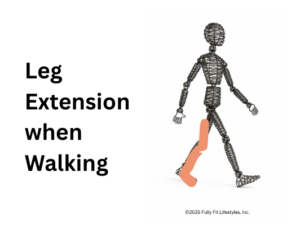 2. The Other Half of Your Gait Happens Behind You
Walking isn’t just about stepping forward. Smooth gait also depends on your ability to control the other leg extended behind you. This trailing leg position is what allows for:
- smooth, efficient steps
- natural momentum
- stable balance with each stride
Hip extension is the name of the movement needed for this part of gait. After a hip fracture, this extension is often limited. Without hip extension, steps are shorter. Movement takes more effort and your balance while walking is less secure.
You feel the instability but likely have a hard time describing what feels ‘off.’
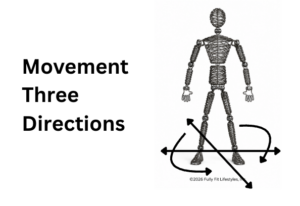 3. Movement and Balance Happen in Multiple Directions
Most therapy exercises focus on the forward/back direction of movement, such as:
- standing up
- sitting down
- walking
But life happens in more than a straight line:
- reaching to the side
- turning
- reacting to the unexpected wherever it may be
These movements require specific side-to-side and rotational coordination. If these directional aspects of movement are not coordinating, the body may unsteady, even though strength has returned.
Why Feeling Confident Needs More Than Just Strength
You can do all the right exercises. You can build strength and improve endurance.
And still feel like something is missing. Because strength is only one part of movement.
If the body isn’t coordinating across all directions because key muscles transitions aren’t fully restored, movement becomes harder and less steady than it needs to be.
Confidence returns when your balance and movement in multiple directions are reset.
Next Week: Hip Fractures. Time for stories about Martha’s journey back to confidence and Susan’s journey back to entertaining.