
Active Traditions … Are Your Balance and Coordination Ready?
It’s a Holiday weekend!
For many of you it’s a time to enjoy outdoor activities with friends and family, often as part of a tradition. Please take care to be safe as you travel and play.
Traditions
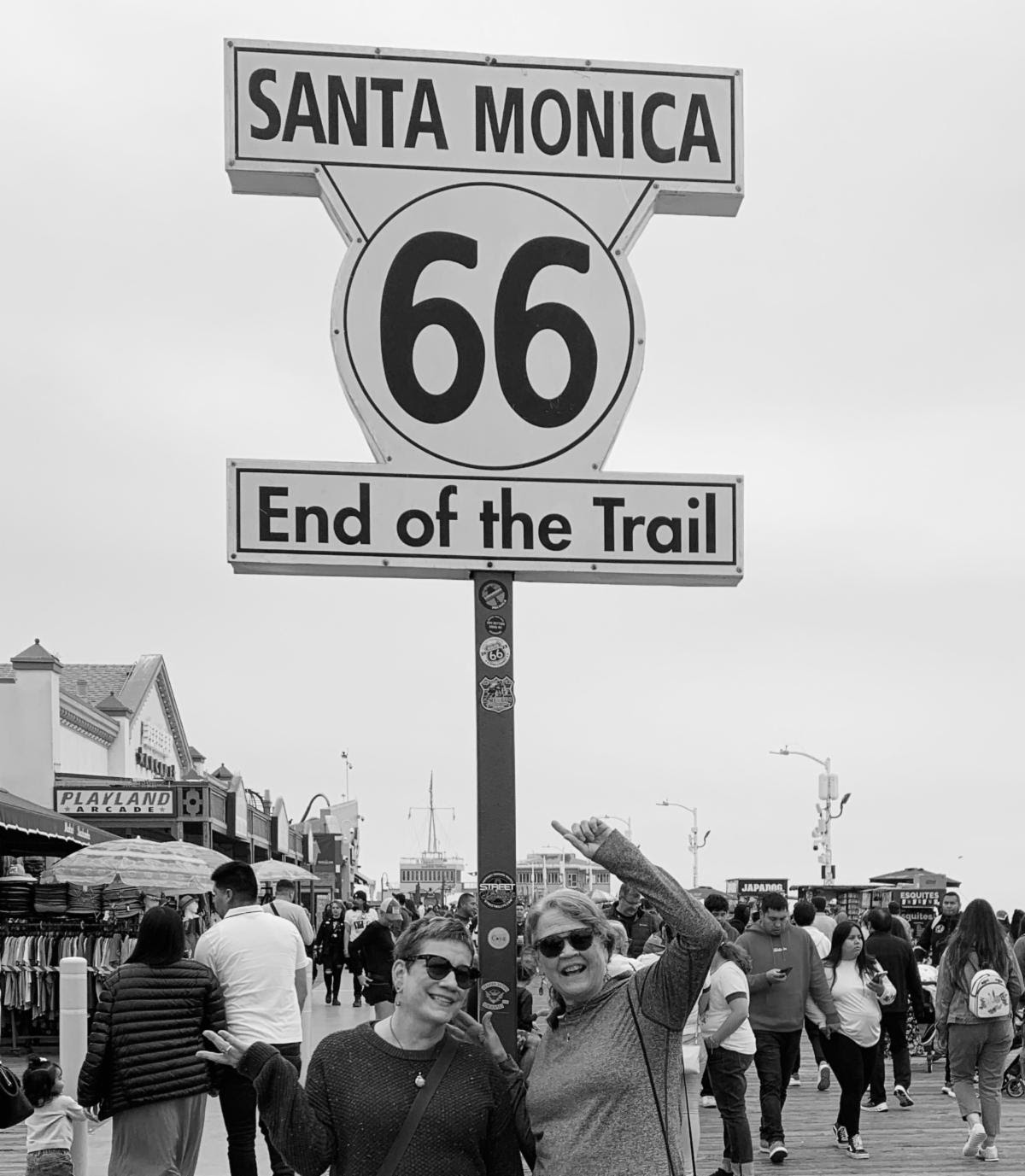
I have a 20+ year tradition of visiting dear friends in CA. The memories of hiking, art, culture, and exploring different areas are many! In honor of the 100th anniversary of the iconic Route 66, here is a pic from us at the honorary western end of the highway at Santa Monica Pier.
Holiday Activities
Over the years the holiday weekend has been filled with activity ranging from from navigating airports, carrying and stowing luggage, getting on and off public transportation, exploring theaters, hiking hillsides, and being on boats.
The balance, stamina, and strength needed to enjoy this variety of demands are incredible. They are also the reasons I am passionate about the power of the Bridging® Technique. When life’s traumas, little and big, disrupt how your muscles work together, Bridging resets the muscles enabling your ability to be active.
See below for some of the more common movement disrupters we find, and why they are often overlooked as the source of your discomfort.
Remembering the Fallen
Memorial Day is first and foremost a time to remember those who served our country in the armed forces. My son is in the military and not a day goes by without gratitude for the safety of our troops.
Please remember to take time on Monday to remember all who gave their lives for our freedoms.
Recent Discussion of Movement Disrupters
Traumatic events in our lives happen and we think we bounce back.
It turns out that we have blindspots regarding what happens to our bodies with certain injuries and medical procedures. These are some of the most common that we find.
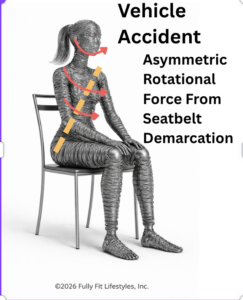 1. The Overlooked Trauma of Being Rear-Ended or Side-swiped
Often when we get hit from behind we thank our lucky stars and walk away. Weeks or months later we have tight neck muscles, and shoulder pain.
They are likely related. There are specific points of impact from the crash and the seatbelt restraint which your body struggles to recover from.
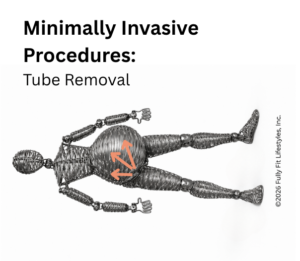 2. The Overlooked Aspects of Minimally Invasive Surgery
The most popular way of doing surgery, laparoscopic or robotic surgery, is commonly used for removing an appendix, gallbladder, and more.
There are several specific reasons your body is not recovering, and you likely won’t realize the stress is related to the surgery.
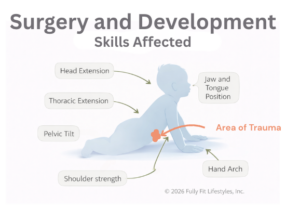 2a. The Recovery Gap with Kids Who Had Minimally Invasive Surgery
Laparoscopic surgery is also used with children to correct genetic issues present from birth.
In addition to the core muscle coordination being disrupted, the scars impact future growth and subsequent movement development.
Often this plays out as anxiety, tightness, and lack of coordination or core strength. In reality it’s a result of the procedure. And it can change.
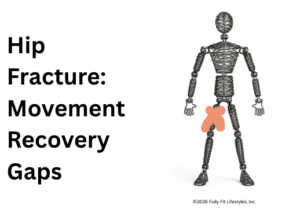 4. The Recovery Gap with Hip Fractures
A hip fracture is bad, but some of the most frustrating aspects of recovery are overlooked. What else happened during the fall–ankle, knee, hip, shoulder, wrist trauma too?
The surgery to repair the hip went well, strength is returning, but not balance. What else is not coordinating.Often it’s the ankle and knee. These need specific attention too!